
Pacifica vs. San Francisco: Where Should You Buy in 2026?
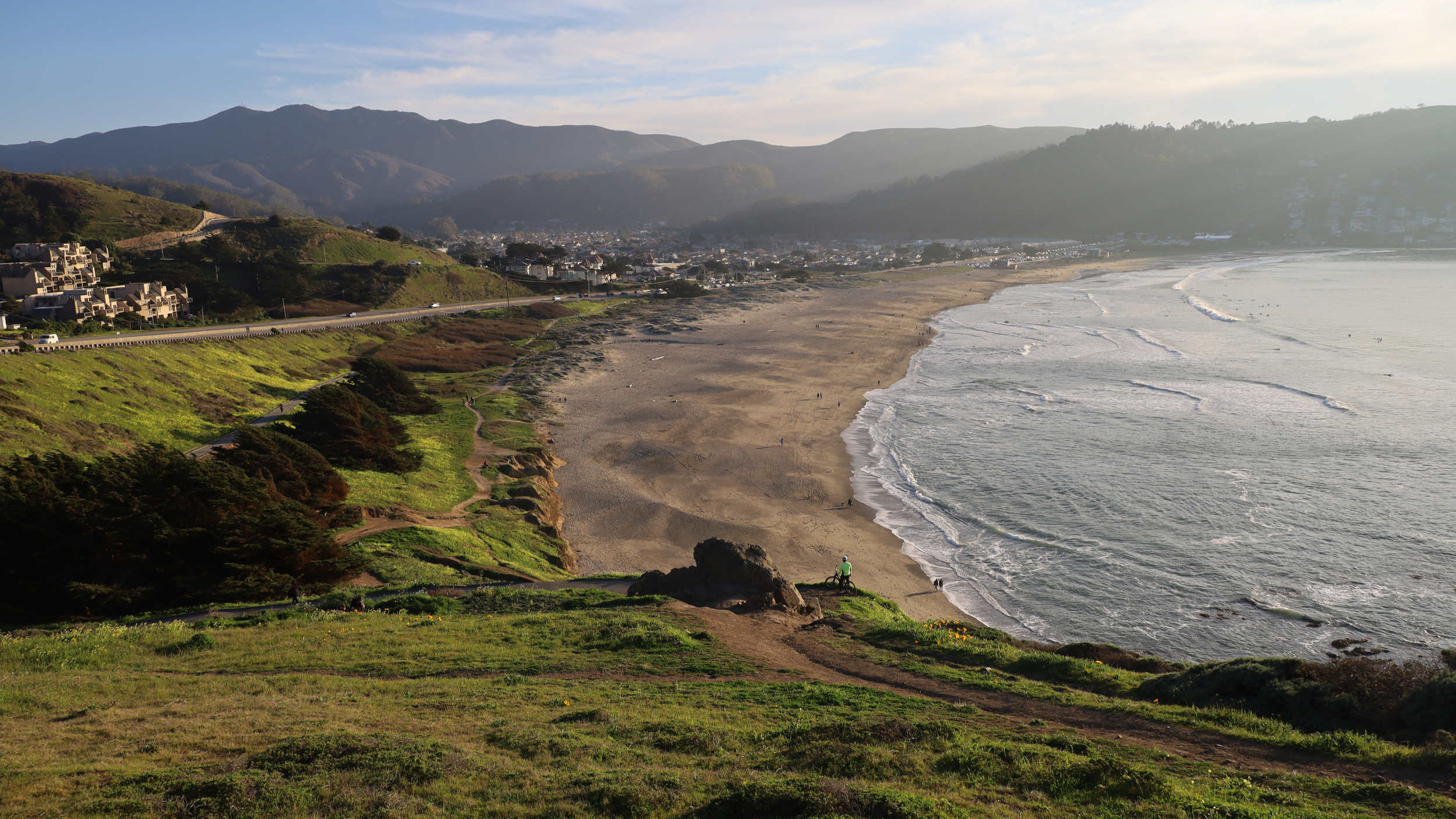
On paper, Pacifica looks like the “cheaper alternative.” And technically, it is. The median home price hovers around $1.3M–$1.4M in early 2026, with modest year-over-year growth and homes selling relatively quickly.
But insiders don’t frame it as “cheaper”—they frame it as more livable per dollar. You’re buying actual space, proximity to the ocean, and a slower pace that doesn’t feel manufactured. The trade-offs? Fog, fewer amenities, and a town that still operates on its own schedule. For the right buyer, that’s not a downside—it’s the point.
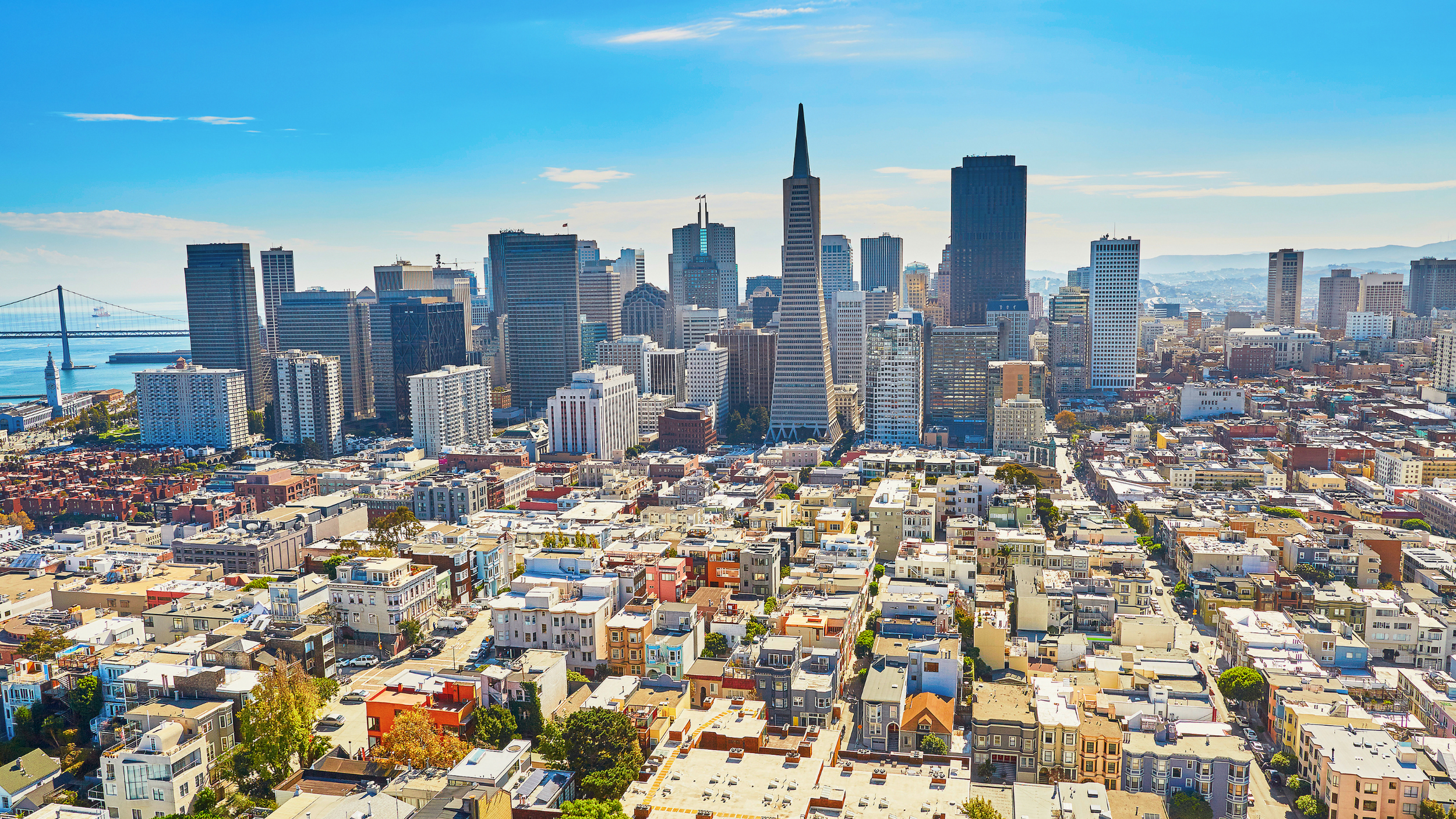
San Francisco is doing what San Francisco does best: bouncing back when people start to count it out. Citywide median home prices are around $1.7M, with some neighborhoods (like Pacific Heights) pushing far beyond that.
There’s also a subtle but important shift happening in 2026—demand is returning, especially in single-family homes, driven in part by tech and AI wealth.
Insiders know this cycle: when SF feels “soft,” it’s often just resetting before another run. Buying here isn’t just about lifestyle—it’s a long-term bet on one of the most resilient real estate markets in the country.
The Real Difference: Lifestyle (Not Just Price)
Here’s where outsiders get it wrong: they compare prices. Insiders compare daily life. In Pacifica, your trade is simple—less access, more breathing room. You get quiet mornings, ocean air, and a sense that your home is actually separate from the noise. In San Francisco, you’re buying proximity. Restaurants, culture, jobs, schools, energy—it’s all within reach, but you’ll pay for that convenience in both price and pace. Neither is objectively better. It’s a question of whether you value space or access more—and how often you actually use what you’re paying for.
If you zoom out, the signals are pretty clear:
Pacifica is seeing steady, quieter growth, with homes still competitive but not chaotic.
San Francisco is entering a rebound phase, with rising prices and renewed demand in key segments.
There’s also a psychological shift. More buyers are open to “just outside the city” than they were pre-2020. But at the same time, there’s a return-to-office gravity pulling people back toward SF. The result? These two markets are no longer competing—they’re complementing each other.
So… Where Should You Buy?
If you ask an outsider, they’ll say: Pacifica is cheaper, San Francisco is better.
If you ask an insider, you’ll get a more honest answer:
Buy Pacifica if you want lifestyle first and can tolerate a little distance from the action.
Buy San Francisco if you want long-term upside, walkability, and to stay plugged into the core of the Bay Area.
The real move in 2026 isn’t picking the “better” location—it’s recognizing that these are two completely different bets. One is about quality of life today. The other is about positioning for tomorrow.
