We held our November newsletter an extra few days to capture some big news out of San Francisco.
On November 19, Anthropic, the San Francisco-based artificial intelligence company behind Claude, made its highly anticipated stock market debut in what has become the largest IPO in history. It's a major milestone for a company headquartered right here in the city, and another reminder of San Francisco's ability to attract talent, capital, and innovation.
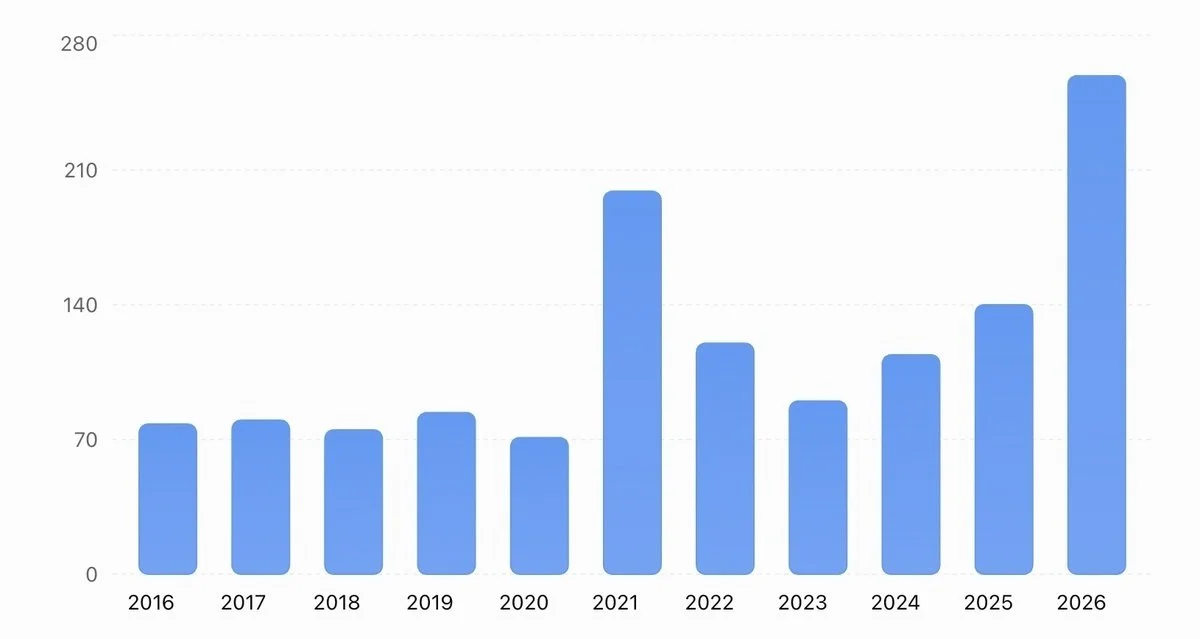
It’s important to note that San Francisco's luxury market was already experiencing a record-setting year before the potential full impact of Anthropic's IPO. Through November 19, 259 residential properties (homes, condominiums and co-ops) priced at $5 million or more have sold, an 85% increase over all of 2025 and well above the previous decade’s peak of 199 sales in 2021. With several weeks still remaining in 2026, demand at the upper end of the market shows remarkable strength. (SFAR MLS)
What does this mean for San Francisco real estate?
Potentially, quite a lot.
We've seen this story before. When successful local companies create substantial wealth for their employees and investors, some of that money eventually finds its way into housing. Anthropic's IPO could create another wave of buyers, particularly in the upper end of the market, as employees gain the ability to turn equity into purchasing power.
Of course, that doesn't happen overnight. Stock-sale restrictions, market conditions, and individual financial decisions will determine when and how much of that wealth reaches the housing market. But with San Francisco already facing limited housing inventory, even a modest influx of newly wealthy buyers could add competition.
Rain, Limited Inventory, and Plenty of Buyer Activity
And speaking of competition, the weather may have cooled things down outside, but we're not seeing the same effect in the housing market.
San Francisco just experienced record-breaking rainfall, with 2.64 inches falling on November 18 alone. Storms can certainly interfere with open houses, showings, inspections, and travel, particularly as we head into the holidays. But serious buyers are still out there, and limited inventory continues to put pressure on the market.
Typically, real estate activity begins to taper off as Thanksgiving approaches, with an even more noticeable slowdown in December. This year, however, we're seeing signs of a market that isn't quite ready to take its holiday break.
One example is Vantage’s listing at 4533 20th Street in Eureka Valley
We've distributed more than 25 disclosure packages, an important barometer of serious buyer interest, and received eight very strong offers. For those unfamiliar with the process, disclosure packages provide prospective buyers with information about a home's condition, inspections, ownership, and other important details before making an offer.
That's a remarkable level of activity for mid-November, particularly in the middle of a series of significant storms.
What We're Watching Through the End of 2026
While many real estate professionals traditionally wind down their businesses in December, we're hearing from plenty of agents who intend to work straight through the end of the year. New listings are being prepared, buyers remain active, and there are still transactions to be made before we turn the calendar to 2027.
Our expectation is that inventory will remain tight, well-positioned properties will continue to attract attention, and motivated buyers and sellers will find opportunities even during the traditionally quieter weeks ahead.
As always, the market is not uniform. Pricing, presentation, property type, and neighborhood matter enormously. But the combination of limited supply, active buyers, and the possibility of significant new wealth being created in San Francisco gives us plenty of reasons to watch the coming months closely.
In the meantime, we wish you and your loved ones a wonderful Thanksgiving. Stay safe, stay dry, and enjoy the holiday.
The National Data
Stubborn Mortgage Rates
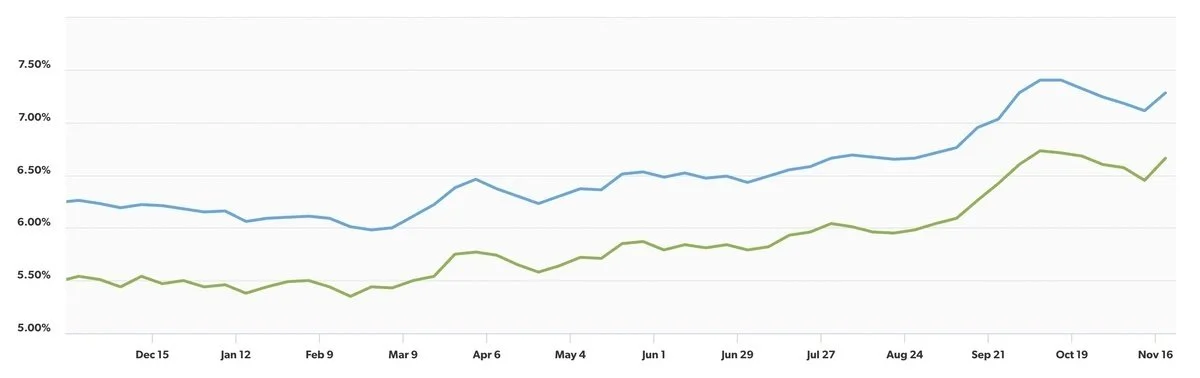
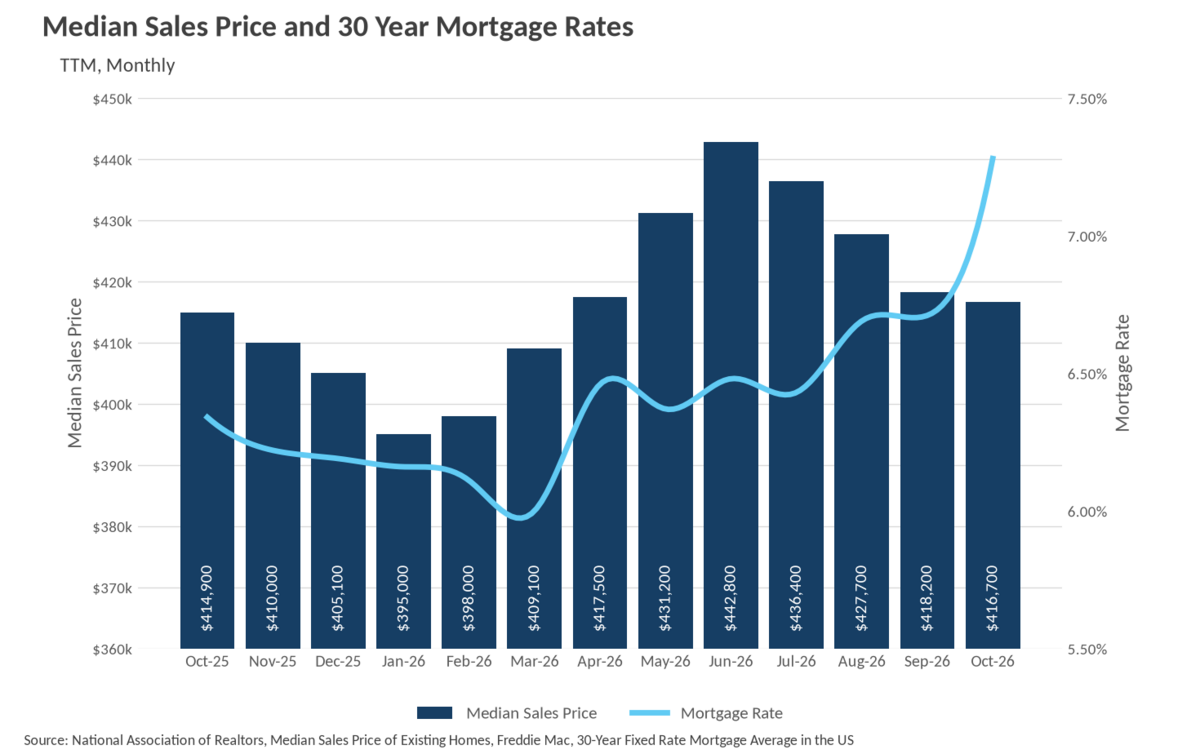
Mortgage rates remain a challenge for buyers. As of November 19, the average 30-year fixed rate was 7.28%, up from 7.11% the previous week, but still below last month’s 7.40%. While rates have eased slightly from October, borrowing costs remain elevated, adding to the affordability challenges buyers already face in a market marked by high home prices and limited inventory. According to Jake Krimmel, a senior economist at Realtor.com, the rate increase from 6.6% in August to 7.4% in October represented a 7.2% loss of purchasing power. (Source: Freddie Mac, Realtor.com)
Higher Mortgage Rates, Fewer Buyers
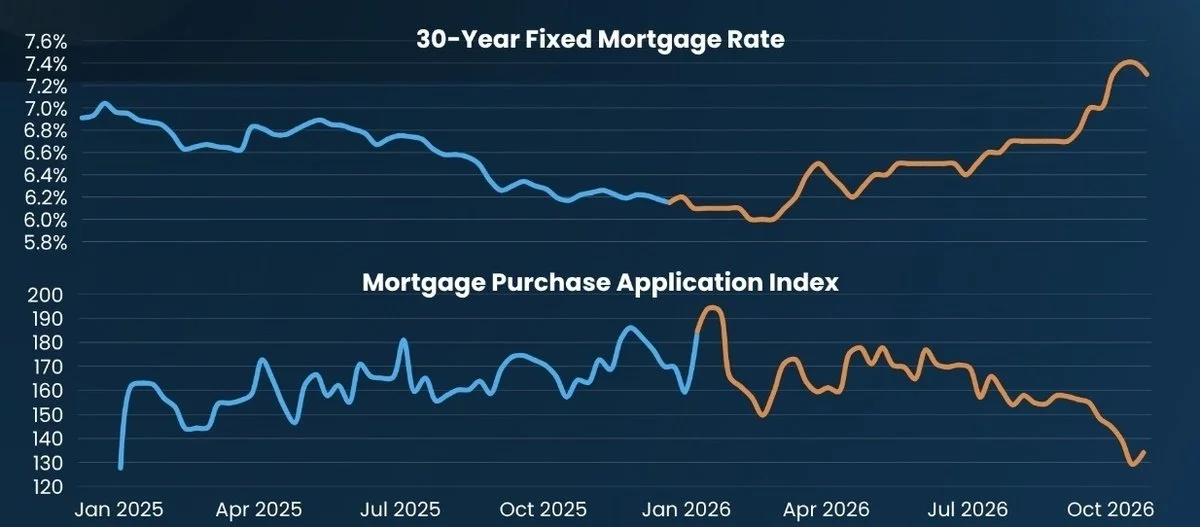
The national housing market is feeling the impact of rising borrowing costs. As 30-year fixed mortgage rates climbed above 7% this fall, mortgage purchase applications declined sharply, illustrating just how sensitive buyers are to changes in affordability. Higher rates mean larger monthly payments, pushing some buyers to the sidelines and slowing demand even as inventory remains limited. (Keeping Current Matters)
Higher Mortgage Rates May Be Here to Stay
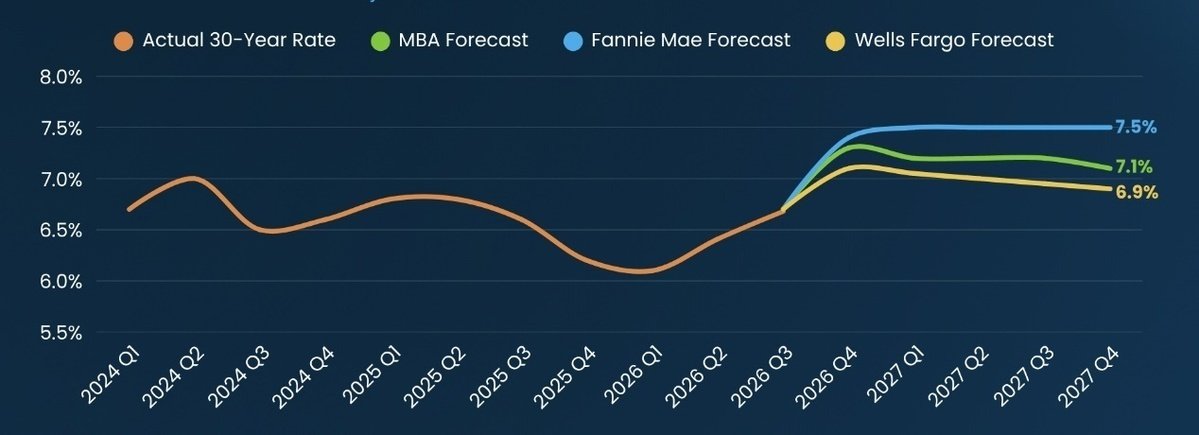
Buyers hoping for significant relief in mortgage rates may need to adjust their expectations. Leading industry forecasters, including Fannie Mae, the Mortgage Bankers Association and Wells Fargo, project 30-year fixed rates will remain elevated through 2027, ranging from 6.9% to 7.5% by year-end. For buyers and sellers alike, the message is clear: waiting for substantially lower rates may not be the best strategy, particularly in markets like San Francisco, where limited inventory continues to drive competition. (Keeping Current Matters)
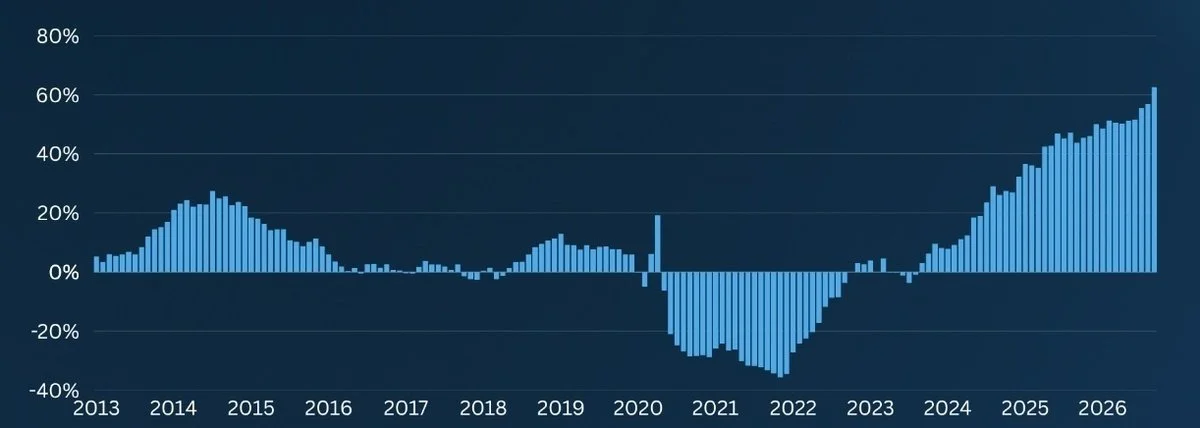
A Growing Divide Between Buyers and Sellers
This chart illustrates a dramatic shift in the national housing market over the past decade. When the bars fall below zero, there are more buyers than sellers, creating a competitive seller's market. When the bars rise above zero, sellers outnumber buyers, giving buyers more choices and negotiating power. During the pandemic housing boom of 2020-2022, buyers significantly outnumbered sellers, fueling bidding wars and rapid price appreciation. That trend has now reversed. According to Redfin, there are approximately 60% more sellers than buyers nationwide, the largest imbalance shown in the chart. (Redfin)
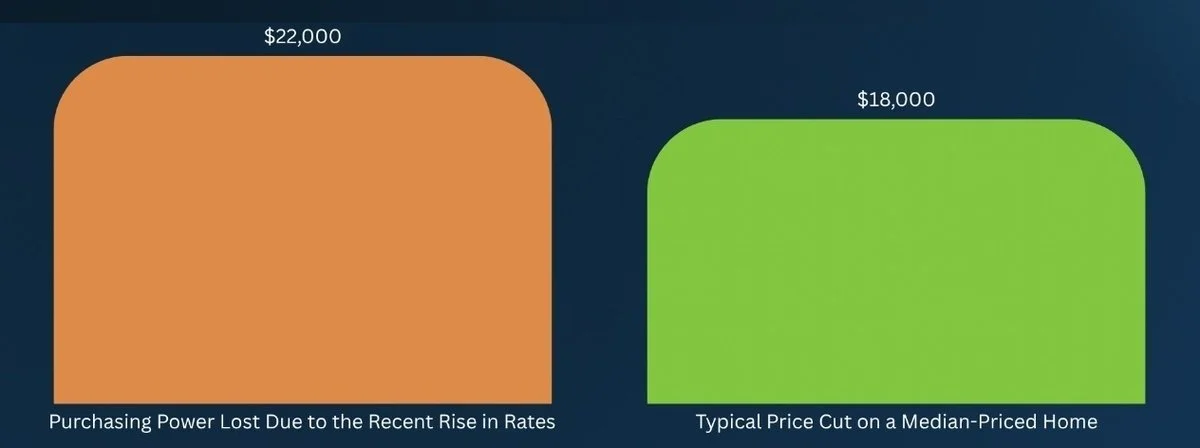
Price Reductions Help Offset Higher Mortgage Rates
Rising mortgage rates have reduced the purchasing power of the typical American homebuyer by approximately $22,000. But there is some encouraging news: nationally, the typical price reduction on a median-priced home is around $18,000, offsetting much of that lost buying power. While this trend offers some relief to buyers, opportunities vary considerably by market. In highly competitive areas like San Francisco, where many homes continue to attract multiple offers, price reductions are far less predictable. (HousingWire)
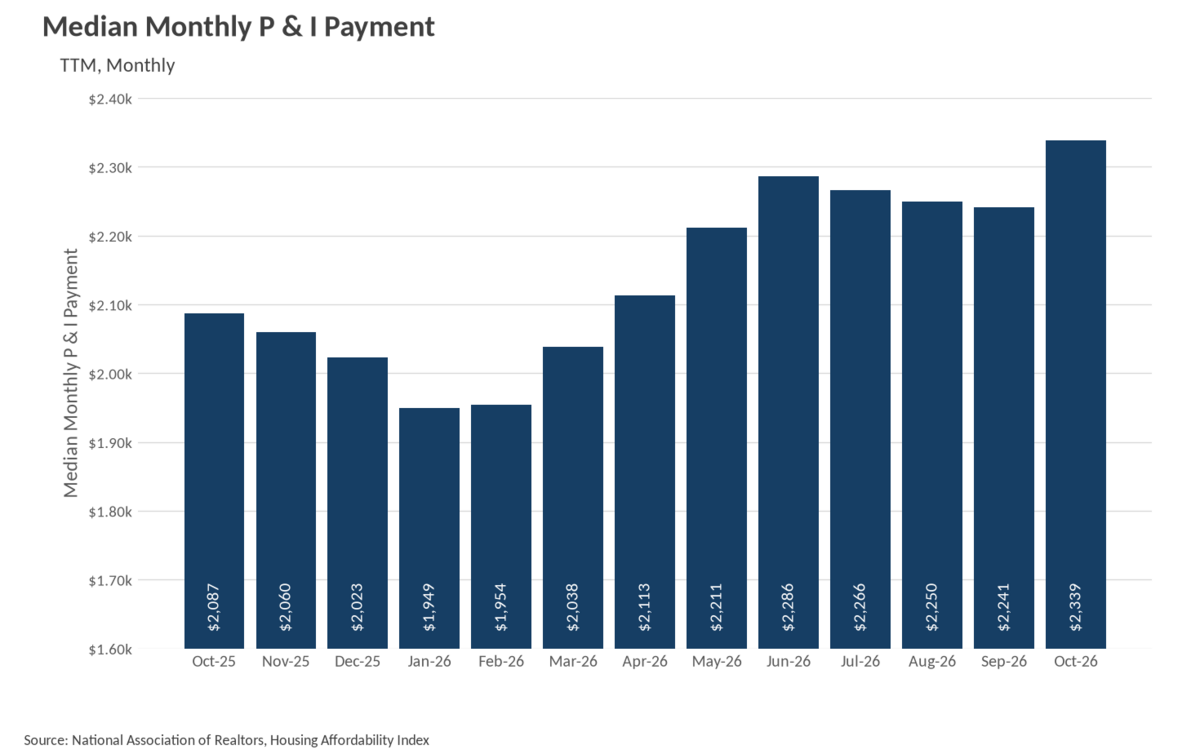
National Housing Market: Sales Slow as Inventory Builds
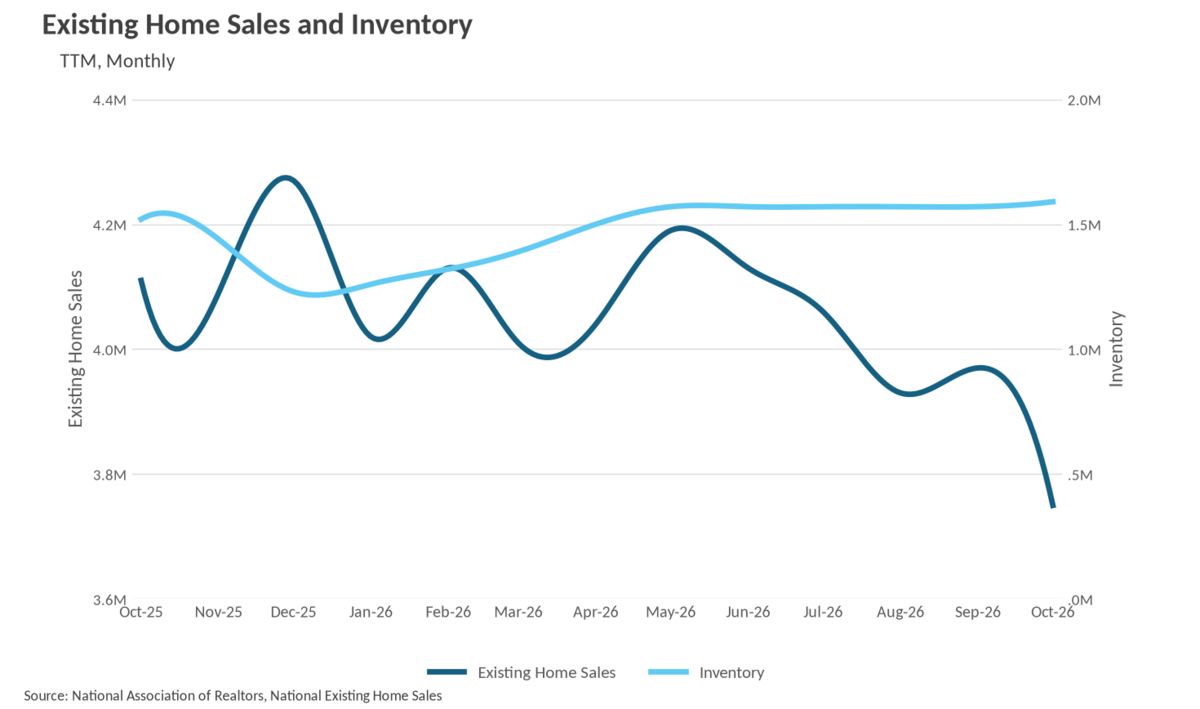
The national housing market continues to cool as higher mortgage rates weigh on buyer demand. As the first chart below illustrates, existing home sales have declined steadily since May, falling to an annualized pace of 3.75 million in October, the lowest level in more than a year. Meanwhile, inventory has climbed to 1.59 million homes, its highest level of 2026.
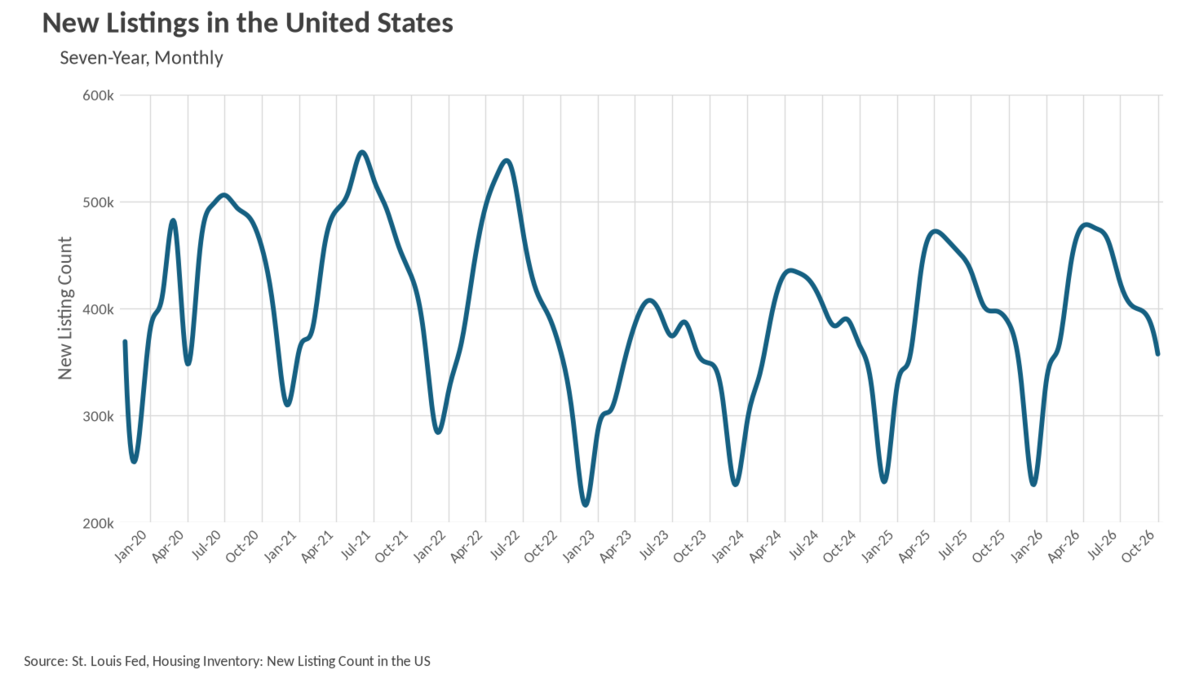
What's particularly interesting is that inventory is growing even as fewer sellers are bringing homes to market. New listings fell nearly 10% in October, suggesting that homes are simply taking longer to sell as buyers pull back.
Prices are also softening. After reaching a median of $442,800 in June, national home prices have declined nearly 6% to $416,700 in October. Yet higher mortgage rates have largely erased the affordability benefits of those price reductions, keeping many prospective buyers on the sidelines.
The takeaway? Nationally, the balance of power is shifting toward buyers, with approximately 5.1 months of available inventory.
Local Data
San Francisco Home Prices Continue to Climb
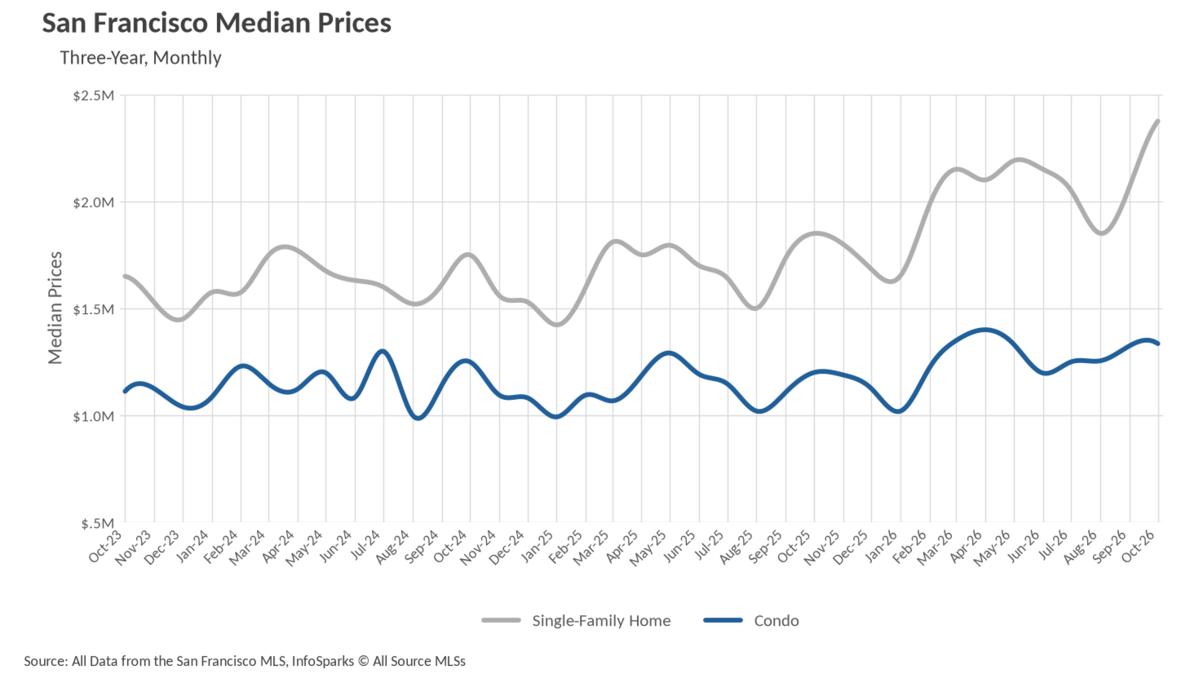
San Francisco's housing market continues to show remarkable strength, particularly for single-family homes. October's median single-family home price approached $2.4 million, the highest level in the past three years and a sharp increase from the beginning of 2026. Condo prices have also gained ground, with the median hovering around $1.35 million. Despite some month-to-month fluctuations, the overall trend points to sustained buyer demand and upward pressure on prices, especially for single-family homes. (San Francisco MLS, InfoSparks)
San Francisco Home Prices Show Strong Year-Over-Year Gains
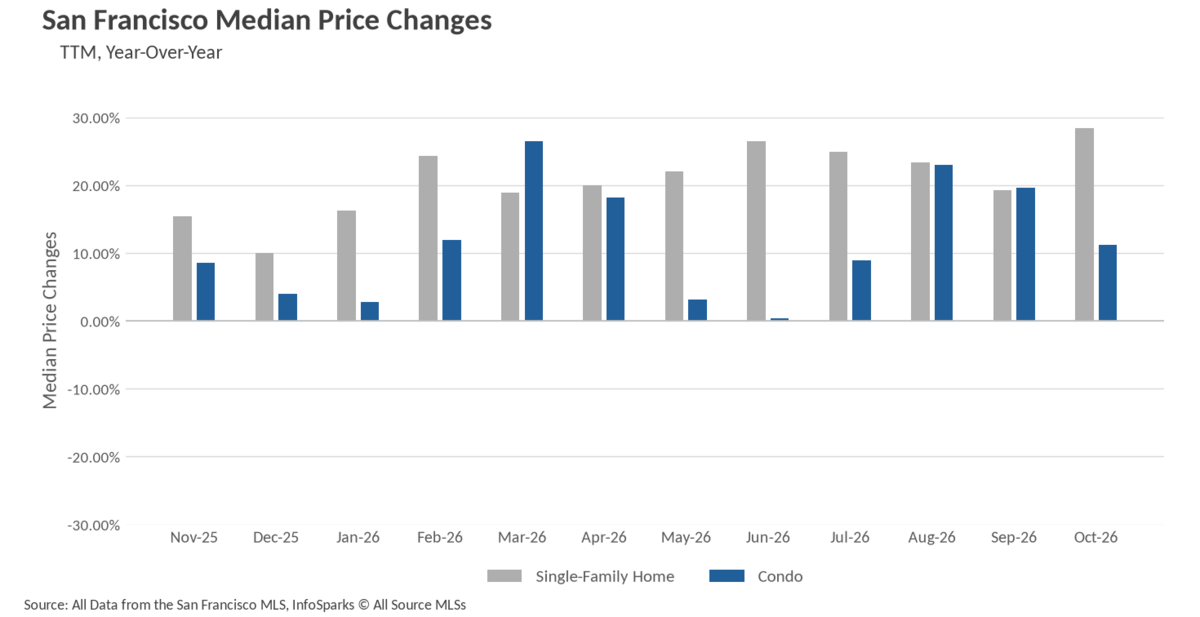
San Francisco home values continue to demonstrate impressive strength, with single-family home median prices rising nearly 29% year-over-year in October, while condo prices increased approximately 11%. Single-family homes have consistently posted double-digit annual gains throughout the past year, with condos also showing notable appreciation. The widening gap between the two property types underscores particularly strong demand for single-family homes in a market where inventory remains limited. (San Francisco MLS, InfoSparks)
Asking Price? Just the Starting Point.
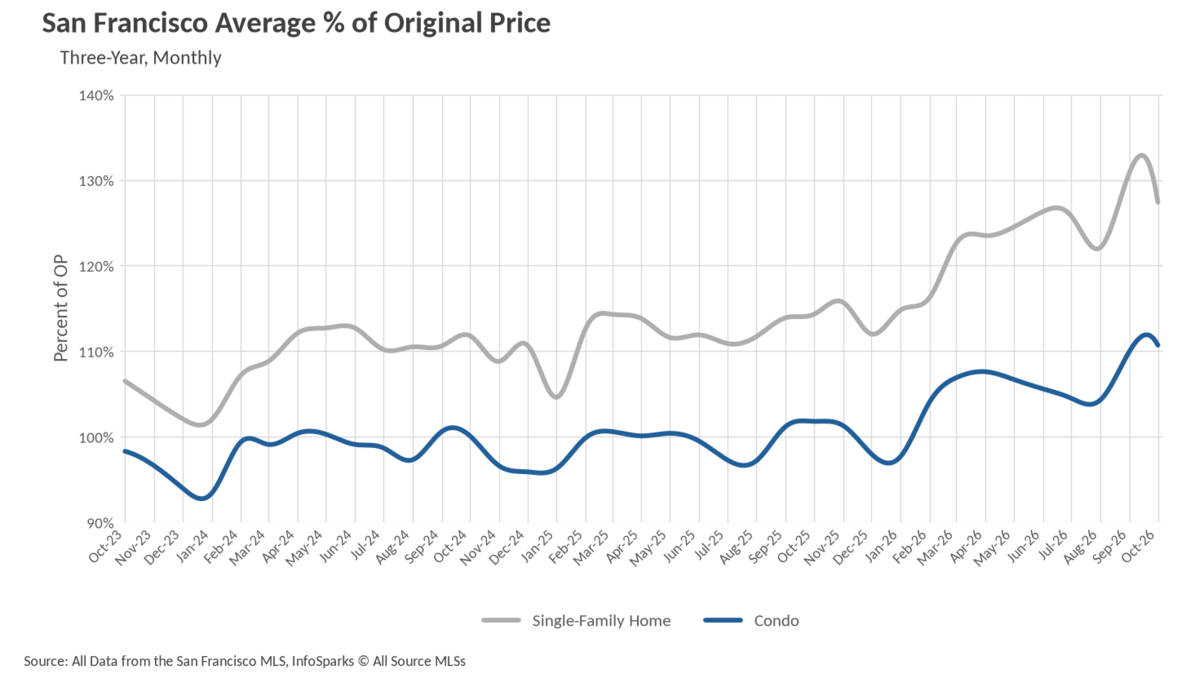
Competition remains fierce across San Francisco, particularly for single-family homes. In October, single-family homes sold for an average of approximately 28% above their original asking prices, while condos averaged roughly 11% above asking. Although both figures eased slightly from September, they remain near three-year highs, reflecting strong buyer demand and continued competition for desirable properties. (San Francisco MLS, InfoSparks)
Fewer Homes. Fiercer Competition.
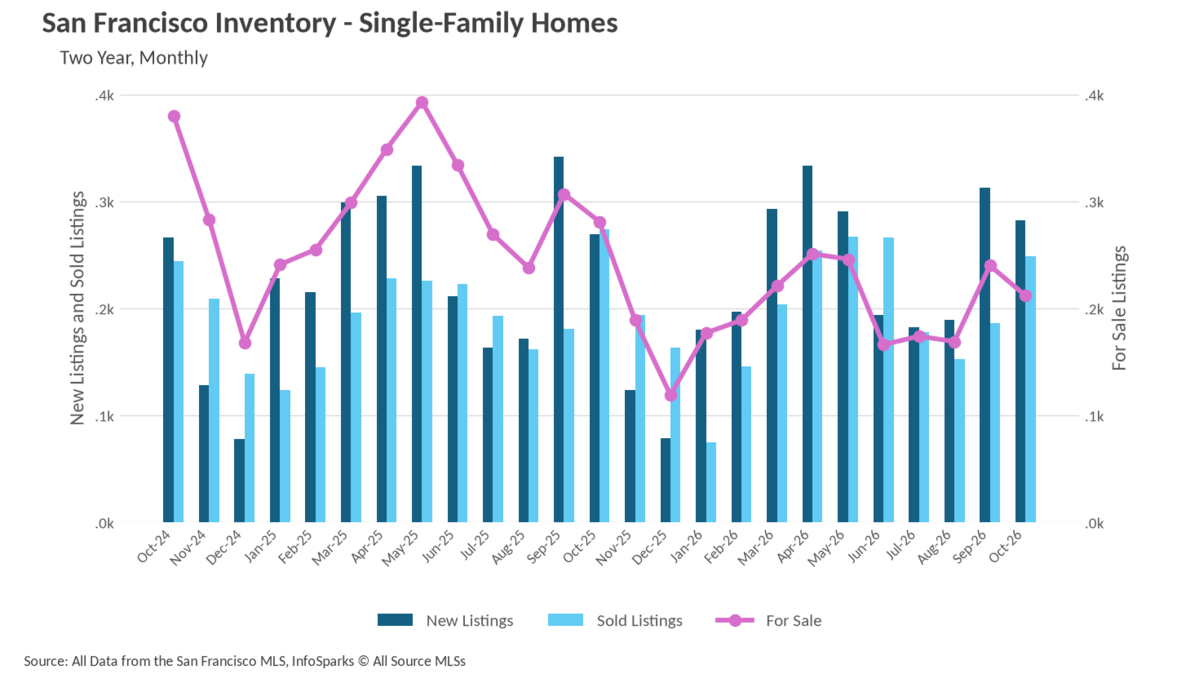
San Francisco's single-family home market continues to see strong activity, with sales outpacing new listings in October. While the number of homes available for sale increased slightly in September, inventory declined again in October, leaving buyers with fewer options. With new listings traditionally slowing as the holidays approach, limited supply could create even more competition for well-priced homes through the end of the year. (San Francisco MLS, InfoSparks)
San Francisco's Condo Market Finds Its Momentum
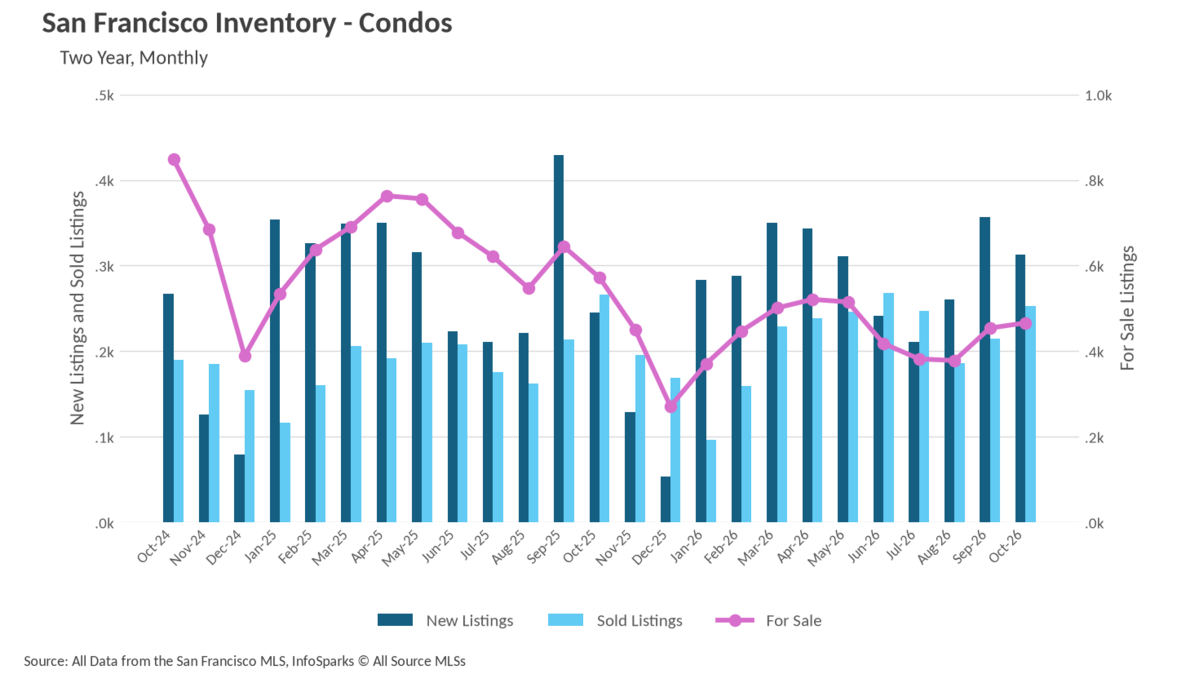
The condo market is showing encouraging signs of renewed activity. October brought another uptick in available inventory, giving buyers slightly more choices than during the summer months. Meanwhile, sales have remained relatively steady, suggesting that demand is keeping pace with supply. After several years of a more challenging condo market, we're seeing signs of improving conditions, particularly as buyers seek alternatives to increasingly expensive single-family homes. (San Francisco MLS, InfoSparks)
Too Few Homes, Too Many Buyers
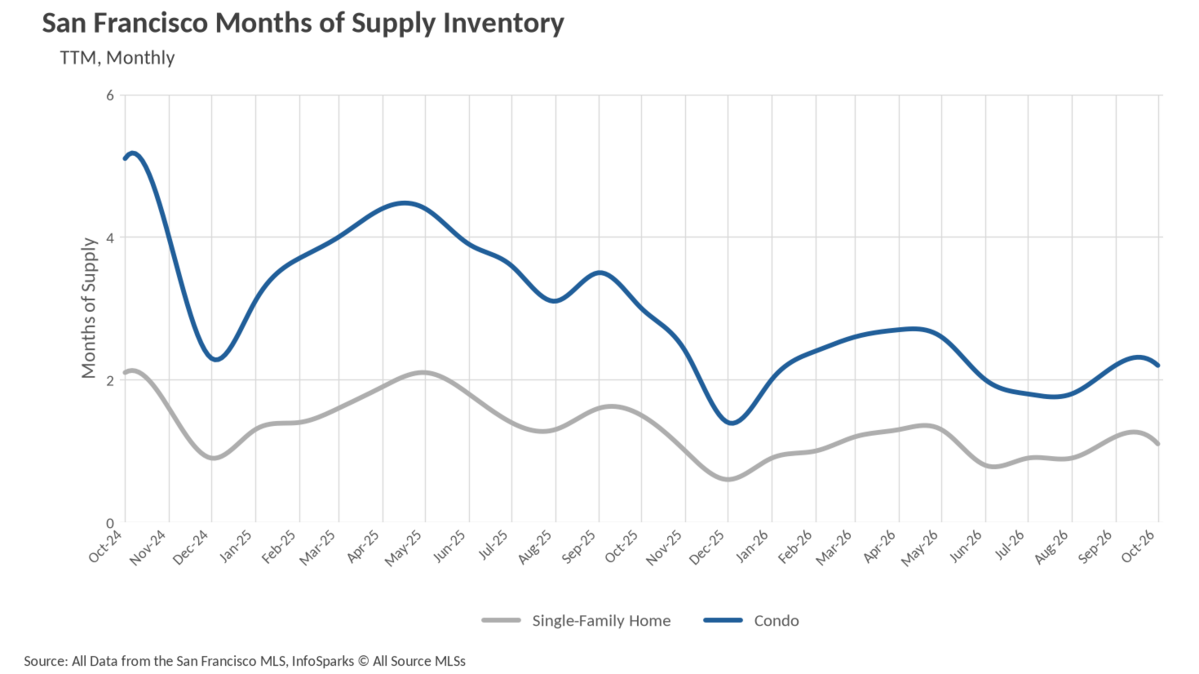
San Francisco's housing supply remains exceptionally tight, with just 1.1 months of inventory for single-family homes and 2.2 months for condos in October. While condo buyers have roughly twice the selection available to house hunters, both markets have experienced a significant decline in inventory over the past two years. With a balanced market generally considered to have four to six months of supply, these figures underscore just how competitive San Francisco's housing market has become. (San Francisco MLS, InfoSparks)
The Market Is Moving. Fast.
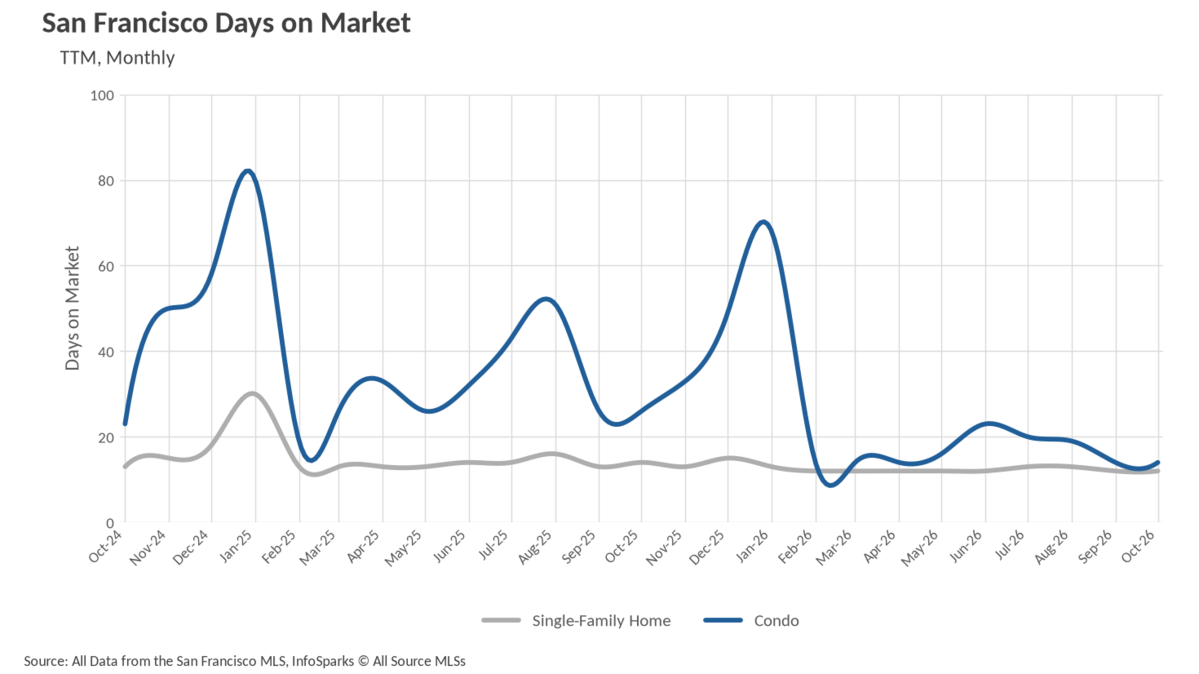
Homes are moving quickly across San Francisco, with both single-family homes and condos spending an average of approximately 13 to 15 days on the market in October. Particularly noteworthy is the condo market, where marketing times have dropped dramatically from the 70+ days recorded earlier this year. The narrowing gap between condos and single-family homes points to renewed momentum across both segments, as serious buyers compete for a limited selection of properties. (San Francisco MLS, InfoSparks)