
Stop Comparing Homes by Square Footage
It’s easy to get caught up in the numbers when shopping for a home. One property offers 1,200 square feet, another offers 1,500, and suddenly, the bigger one feels like the better deal. But square footage alone doesn’t tell you whether a home is actually worth the price. Two homes with the same size can feel completely different, function differently, and offer very different lifestyles. And in a market like San Francisco, where every square foot comes at a premium, looking beyond the numbers matters.
The layout can matter more than the size. A well-designed 1,100-square-foot home can feel more spacious than a poorly laid-out 1,400-square-foot one. Think about how the rooms connect, how much usable wall space you have, whether the kitchen flows into the living area, and if there’s enough storage. Awkward hallways, oddly shaped rooms, and wasted corners can make a larger home feel surprisingly cramped. It’s not just about how much space you have, but how well that space works for you.
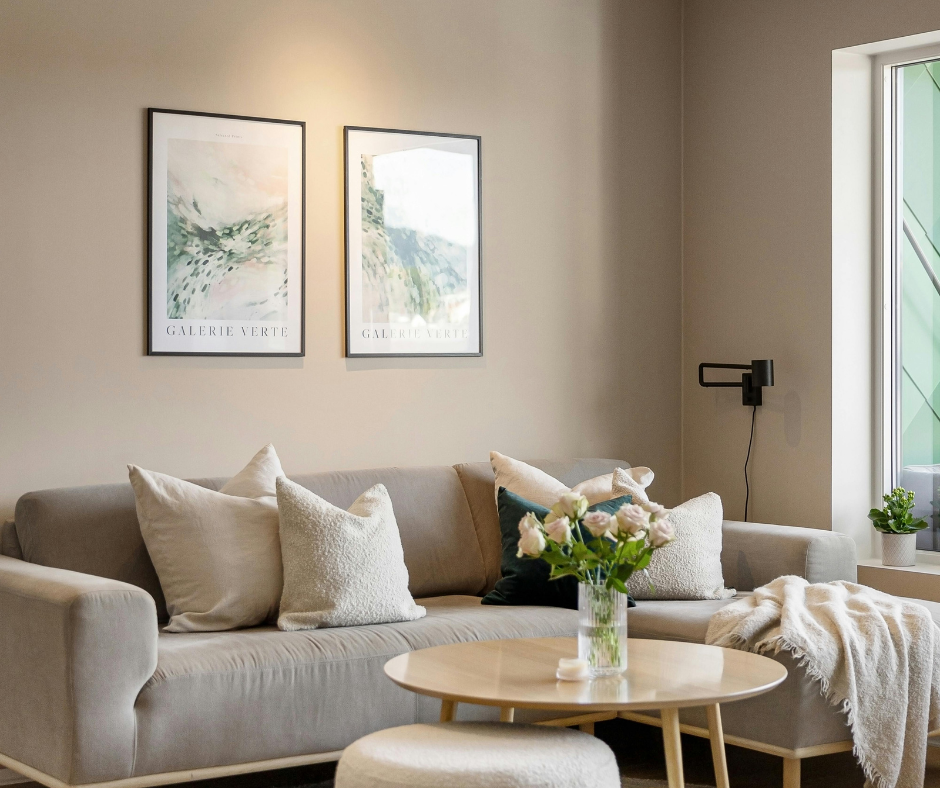
Location and natural light deserve just as much attention. A home with large windows, good natural light, and a functional floor plan may feel more inviting than a bigger property with dark rooms or limited privacy. In San Francisco, two homes just a few blocks apart can offer very different experiences depending on the street, views, noise, parking, and proximity to the places you actually go. In Pacifica, you might also be weighing ocean views, outdoor space, commute routes, and the feel of the neighborhood. Those details don’t always show up in the square-footage figure, but they can have a real impact on your day-to-day life.
And then there’s the price per square foot. It’s a useful number, but it shouldn’t be treated as the final verdict. A lower price per square foot doesn’t automatically mean you’re getting a better deal, just as a higher number doesn’t necessarily mean a home is overpriced. Condition, renovations, lot size, layout, location, views, and overall market demand all play a role. When comparing properties, it’s more meaningful to look at similar homes in similar locations and consider what each one offers beyond its size.
At the end of the day, you’re not buying a spreadsheet. You’re buying a home you’ll live in, move around in, and hopefully enjoy for years to come. Instead of asking which property gives you the most square footage for your money, ask which one makes the best use of its space and fits the way you live. The right home isn’t always the biggest one. Sometimes, it’s simply the one that makes the most sense for you.
