
What Makes a Home Worth the Price?
When buyers ask, “Why is this house priced that high?” they’re usually looking at the kitchen, the number of bedrooms, and whether the backyard is actually big enough for the listing photos to justify calling it an “entertainer’s dream.” But a home’s value goes well beyond what you can see during a 20-minute showing. Price is influenced by location, condition, size, layout, recent comparable sales, and—perhaps most importantly—what buyers are willing to pay for that particular home in that particular market.
Location is still one of the biggest pieces of the puzzle. A beautifully remodeled home in a less desirable location may not command the same price as a more modest home in a highly sought-after neighborhood. In the Bay Area, this can be especially noticeable. A quiet street, proximity to transportation, good schools, neighborhood feel, views, walkability, or even the way a home sits on the block can all affect what buyers are willing to pay. You can renovate a kitchen. You can't renovate the location.
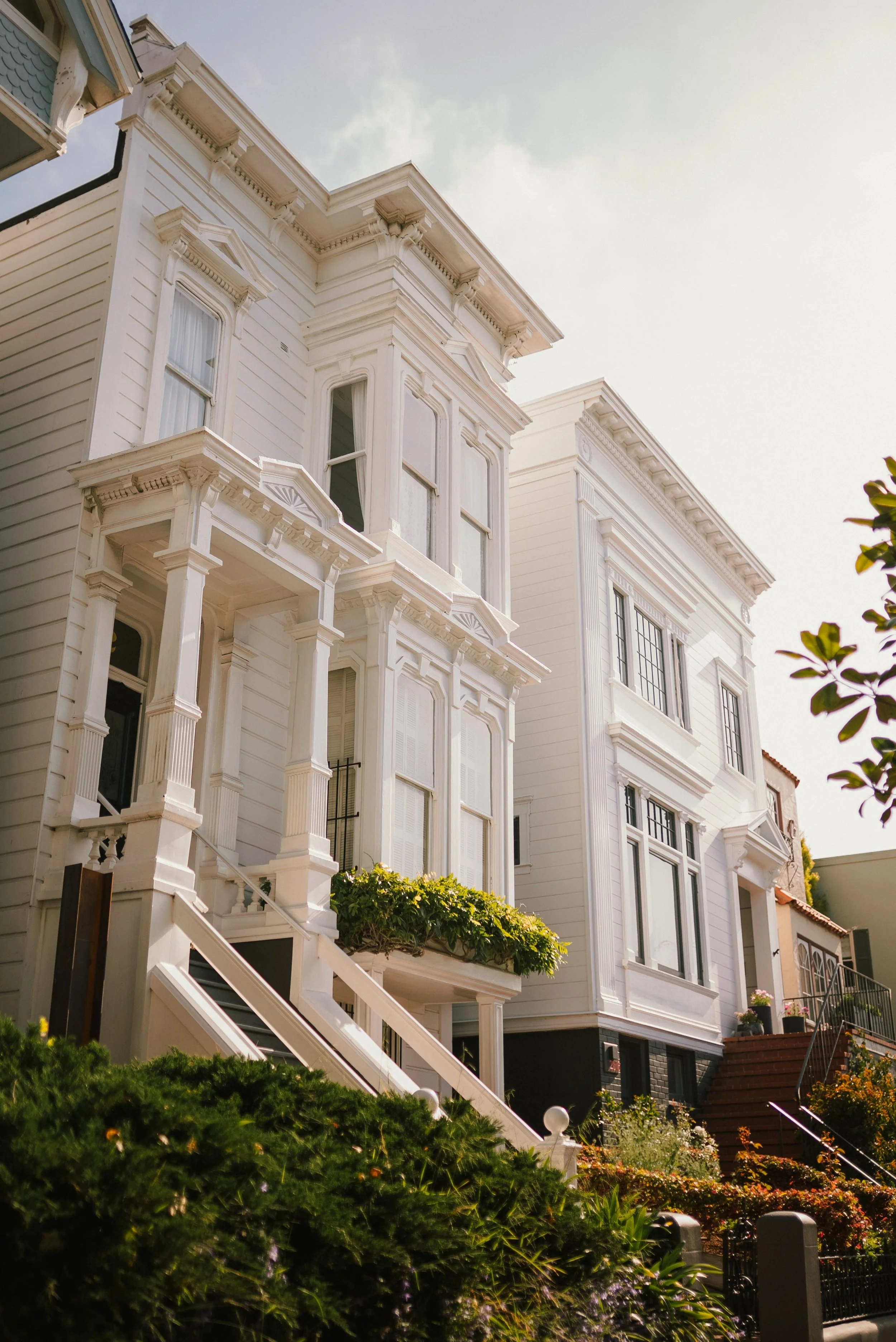
Photo by Josh Hild via pexels.com
Then there’s condition and functionality. Two homes with the same number of bedrooms and similar square footage can have very different values if one has been thoughtfully updated while the other needs a long list of repairs. But “updated” doesn’t automatically mean “valuable.” The quality of the work, the layout, natural light, storage, outdoor space, parking, and how well the home functions day-to-day all matter. Sometimes the most valuable feature isn't the marble countertop—it’s simply a floor plan that makes sense.
Another major factor is what comparable homes are actually selling for. Listing prices are a starting point, not a guarantee. Realtors look at recent sales, competing listings, market conditions, how quickly homes are selling, and the level of buyer demand to determine whether a price is realistic. And this is where things can get interesting: a home can be objectively beautiful and still be overpriced. On the flip side, a home that looks “expensive” at first glance may actually be priced appropriately once you understand the location, condition, and competition.
Ultimately, a home is worth what the market is willing to pay for it—not simply what the seller hopes it’s worth. That doesn’t mean value is purely about numbers. There’s an emotional side to buying a home, too. The right buyer may fall in love with a view, a street, a layout, or a feeling that doesn't show up neatly on a spreadsheet. My job as a realtor is to help separate the emotional part from the financial part, so you can appreciate what makes a home special while still understanding whether the price makes sense.
